
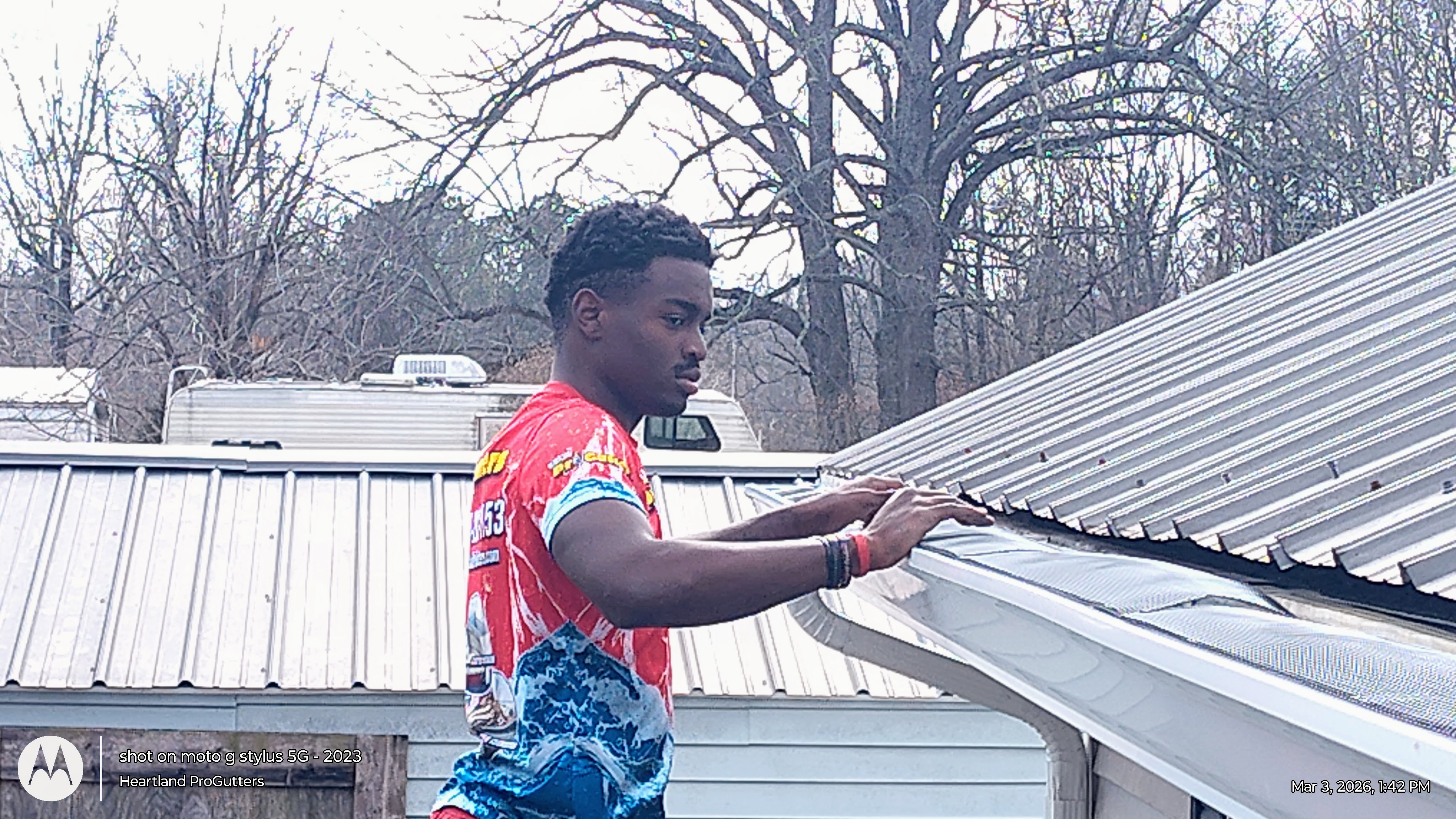
In many cases, gutter guards can be installed on older gutters. The age of the system matters less than its condition. Before adding guards, the gutters should be secure, reasonably aligned, free of major leaks, and able to carry water to the downspouts.
Gutter guards are designed to help manage debris. They do not repair loose gutters, correct drainage problems, or replace routine maintenance. A quick inspection before installation can help determine whether your current system is ready or needs attention first.
What should you check first?
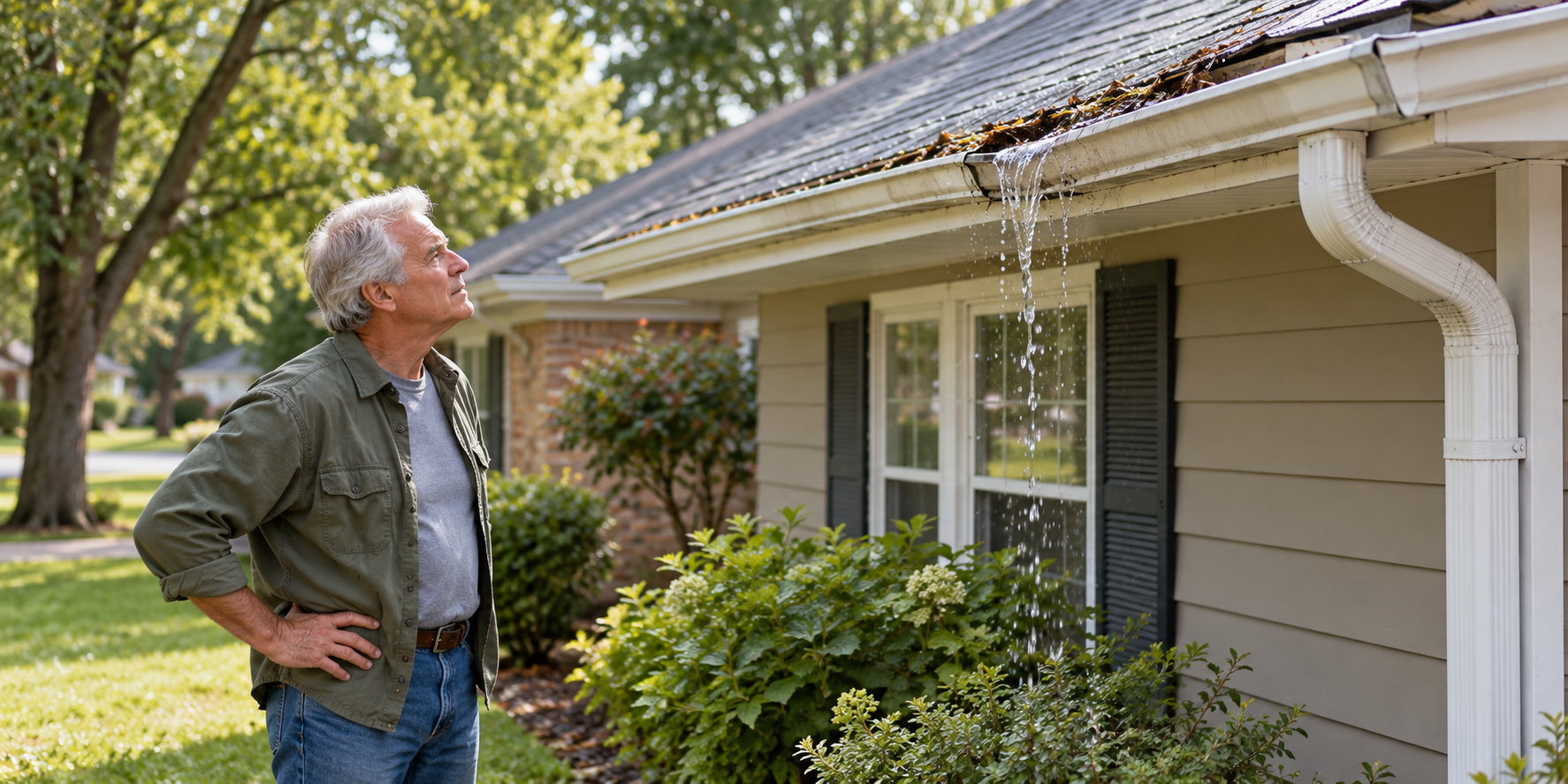
Start by looking at the system from the ground after a rain. You do not need to climb a ladder to notice several common warning signs:
- Sections that appear to sag, twist, or pull away from the house
- Water spilling over the front edge during ordinary rain
- Visible leaks at seams, corners, or end caps
- Downspouts that seem to drain slowly or discharge very little water
- Dark, damaged, or soft-looking trim behind the gutter
These signs do not automatically mean the gutters must be replaced. They do mean the system should be checked before a guard is added.
1. Clean the gutters and check the downspouts
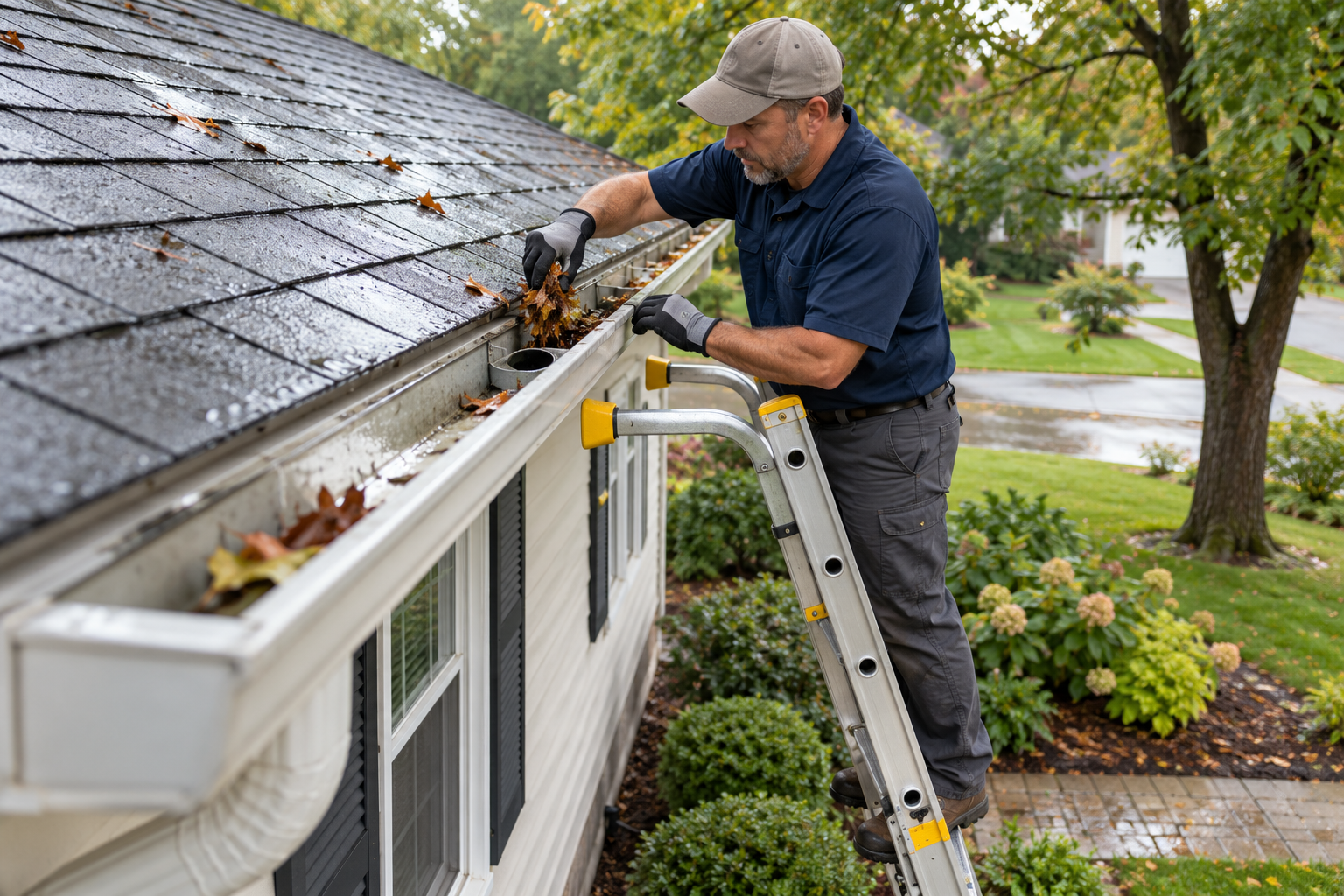
Debris can hide leaks, loose hangers, and drainage problems. Cleaning the gutters first makes it easier to see the condition of the system and check whether water can move through the downspouts.
If the gutters or downspouts need attention, start with gutter cleaning and repair. A guard should not be used to cover up an existing clog or drainage issue.
2. Make sure the gutters are secure and aligned
Gutter guards attach to or rest on the gutter system. If a section is loose, sagging, or badly out of alignment, the system may need a repair before installation.
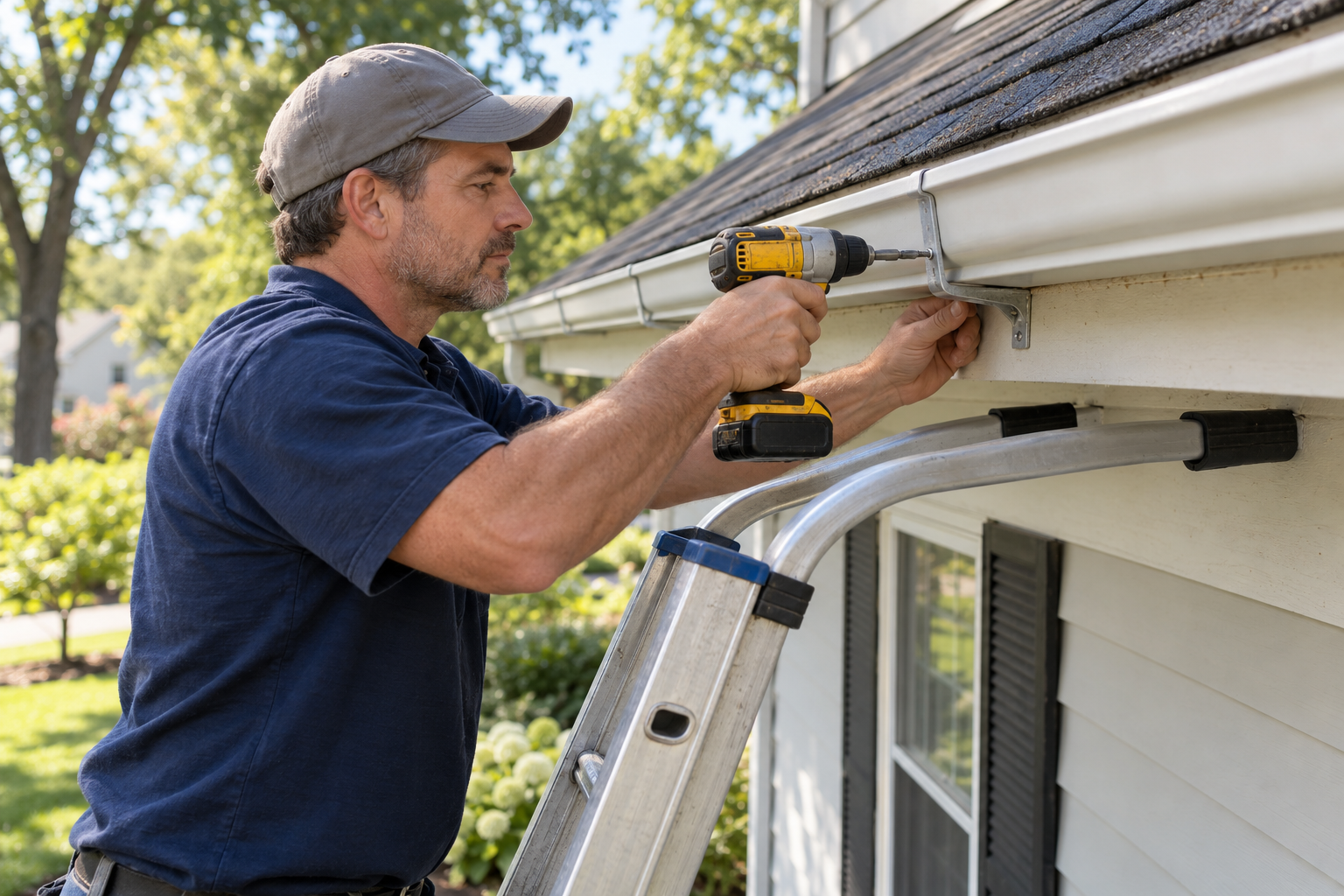
A gutter tune-up may be able to address problems such as loose hangers, minor leaks, or sections that need adjustment. If the gutter is pulling away from the house, the condition of the fascia behind it may also need to be checked. The right repair depends on what is actually causing the problem.
3. Decide whether the existing system can handle the water
A gutter can be clean and secure but still struggle to manage runoff from a large or steep roof. If water regularly overflows during heavy rain, the cause could involve the gutter size, the number or size of downspouts, the roof area, or the way water leaves the property.
In that situation, adding a guard by itself may not solve the problem. The system should be assessed as a whole. Depending on the home, that could mean a repair, a downspout change, or a higher-capacity gutter system.
4. Choose protection for the debris around your home
Once the gutters are ready, the guard should fit the roof, gutter, and debris conditions at the property. Broad leaves, pine needles, seeds, and shingle grit behave differently. A guard that works well on one home may not be the right match for another.
Gutter guards can reduce the amount of debris entering the gutters, but no guard eliminates maintenance. Small debris can still collect on top of or pass through some systems. Plan to inspect and maintain the gutters periodically even after protection is installed.
You can compare the available options on our gutter guard service page.
Should you replace old gutters before adding guards?
Not necessarily. If the existing gutters are in sound condition and move water where it needs to go, they may be suitable for protection. If they have widespread leaks, extensive damage, or capacity problems, it may make more sense to repair or replace them before installing guards.
The best next step is to look at the complete system rather than decide by age alone. That includes the roof edge, gutters, downspouts, and where the water discharges.
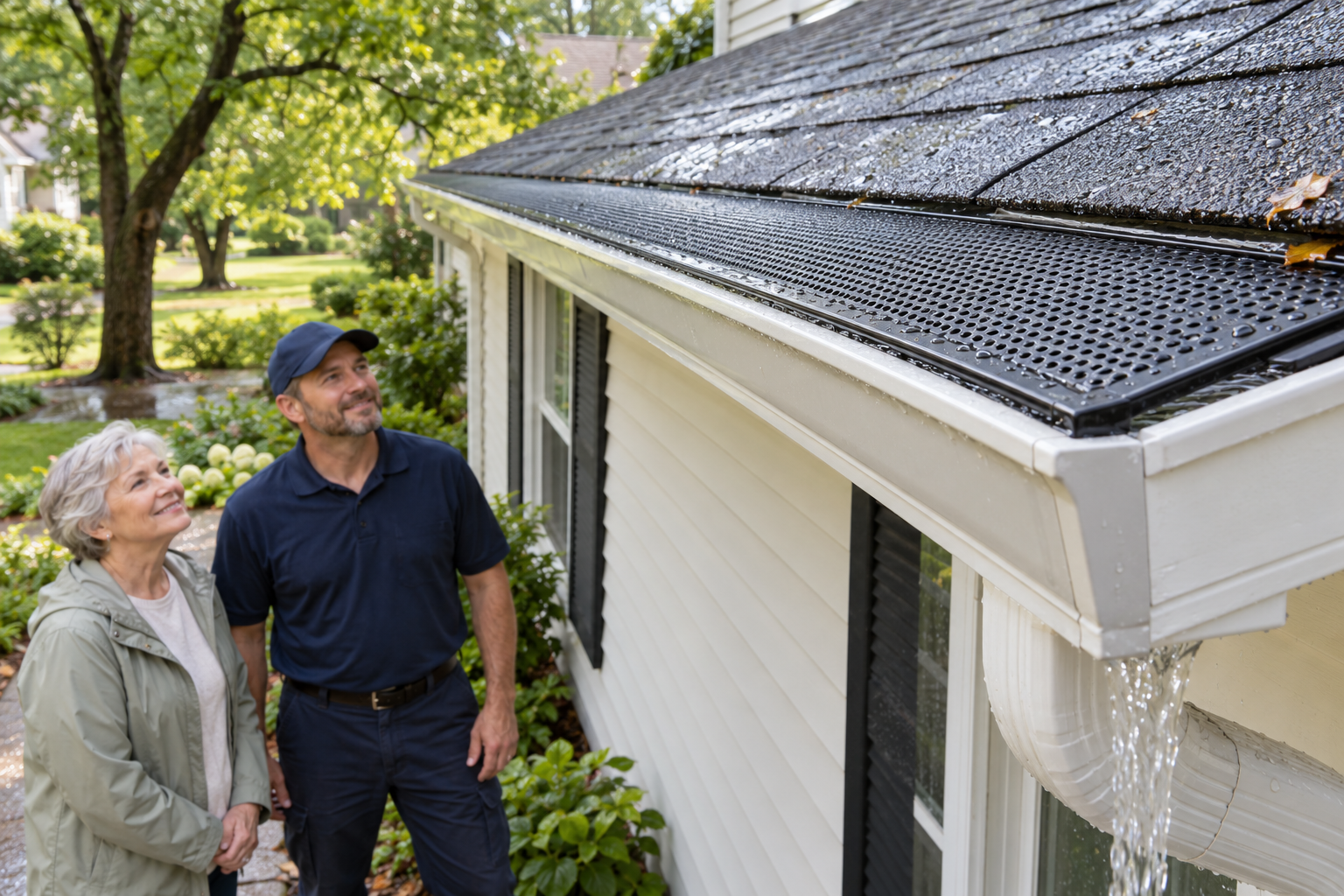
Thinking about adding gutter guards?
We can look at the condition of your gutters, discuss the debris around your home, and help you decide what makes sense for your system.